There is a very good chance that you are actively damaging your skin twice a day, every day, and interpreting the damage as “clean.”
That tight, dry feeling after you wash your face? The slight pull when you move your jaw? The way your skin feels stripped and slightly raw for an hour after a shower?
That’s not clean. That’s your skin barrier in distress.
What the Skin Barrier Actually Is
Your skin has layers. The outermost one, the part you can see and touch, is called the stratum corneum. It’s about 15–20 cells thick on most of your face, and it functions as a wall.
The wall has a specific architecture. Dermatologists describe it as “brick and mortar.” The bricks are corneocytes, which are flattened, dead skin cells packed tightly together. The mortar is a matrix of lipids: ceramides, fatty acids, and cholesterol, arranged in precise layers between the bricks.
This isn’t decorative. The barrier has two critical jobs. First, it holds water in. Your skin’s hydration depends on the barrier preventing transepidermal water loss, the constant evaporation of water from your skin’s surface. When the barrier is intact, water loss is minimal and your skin stays hydrated. When the barrier is compromised, water escapes at an accelerated rate and your skin dries out from the inside.
Second, it keeps threats out. Bacteria, irritants, pollutants, allergens. The barrier is the first line of defense. When it’s functioning properly, most environmental irritants can’t penetrate. When it’s compromised, they walk right through.
There’s also a thin film on top of the barrier called the acid mantle. It’s a mixture of sebum (your skin’s natural oil), sweat, and amino acids that maintains a slightly acidic pH of about 5.5. This acidity is functional. It inhibits the growth of harmful bacteria and supports the enzymes that maintain the barrier’s lipid structure.
The barrier, the lipid mortar, and the acid mantle work together as an integrated defense system. When all three are functioning, your skin is hydrated, resilient, and protected. When any one of them is disrupted, a cascade of problems begins.
How Bar Soap Destroys It
Bar soap has a pH of approximately 9 to 10. Your skin’s natural pH is approximately 5.5. Every time you wash your face with bar soap, you’re introducing a substance that is 1,000 to 10,000 times more alkaline than your skin’s natural environment. (pH is a logarithmic scale. Each whole number represents a tenfold change.)
Here’s what happens at the molecular level.
The alkaline pH disrupts the acid mantle immediately. The enzymes that maintain your barrier’s lipid structure are pH-dependent. They function optimally at 5.5. At pH 9–10, they malfunction. The lipid mortar between your skin cells begins to dissolve. Ceramides, the most important structural lipid in the barrier, are particularly vulnerable to alkaline disruption.
Simultaneously, the surfactants in bar soap (the compounds that create lather and cut grease) strip sebum from the skin’s surface. Sebum is part of your defense system, not just “oil.” Removing it entirely leaves the barrier exposed.
The result: increased transepidermal water loss (your skin is now leaking moisture), compromised bacterial defense (the acid mantle is neutralized), and a barrier that has structural gaps where the lipid mortar was dissolved.
And then the really interesting part happens.
The Recovery Problem
Your skin can recover from this. It can restore the acid mantle, regenerate the lipid mortar, and rebuild the barrier. But it takes time. Research shows the skin needs approximately 4 to 6 hours to restore its natural pH after a single wash with alkaline soap.
Think about what that means for most men’s routines. You wash your face in the morning shower with bar soap. Your barrier is disrupted. It takes 4–6 hours to recover. By early afternoon, it’s mostly restored. Then you shower again in the evening and strip it all over again.
If you wash your face with bar soap twice a day, your skin spends the majority of its time in a compromised state. The barrier never fully recovers before the next disruption. It’s a cycle of damage and partial recovery that, over months and years, leads to chronic barrier dysfunction.
Chronic barrier dysfunction looks like this: persistent dryness that no amount of moisturizer seems to fix. Tightness. Flaking. Redness. Sensitivity to products that shouldn’t be irritating. Skin that looks dull and tired even when you’re well-rested. Sound familiar?
Most men experience some or all of these symptoms and assume it’s just how their skin is. It’s not. It’s how their skin is responding to chronic barrier damage.
The Oil Paradox
Here’s where it gets counterintuitive. Many men complain that their skin is oily, especially on the forehead, nose, and chin. The instinct is to wash more aggressively, use harsher cleansers, and strip the oil away.
This makes the problem worse.
Your skin has a feedback system. When the barrier is stripped and sebum is removed, your sebaceous glands detect the deficit and respond by producing more oil. Aggressively. The oilier your skin feels, the more you wash. The more you wash, the more oil your skin produces to compensate. It’s a self-reinforcing cycle that many men have been trapped in for years without understanding why.
The fix is the opposite of what you’d expect: more hydration, not less. When the barrier is properly hydrated and the lipid mortar is intact, the sebaceous glands receive the signal that the surface is adequately protected. Oil production normalizes. The “oily skin” resolves not by stripping oil, but by eliminating the trigger that was causing overproduction in the first place.
The Sensitivity Misdiagnosis
There’s a related problem that’s equally common. Many men believe they have “sensitive skin.” Products sting. New formulations cause redness. Their face reacts to things it shouldn’t react to.
True genetic skin sensitivity exists. It affects roughly 10–15% of the population. But a much larger number of men have what dermatologists call “induced sensitivity.” It’s not that their skin is inherently sensitive. It’s that their barrier is chronically damaged, and a compromised barrier lets irritants penetrate that a healthy barrier would block.
The test is simple. Stop using everything for three days. No soap, no products, just water. If the sensitivity improves, your products were causing the problem, not your skin.
Most men who run this test discover their skin isn’t sensitive at all. It was just damaged.

The Fix Is the Foundation
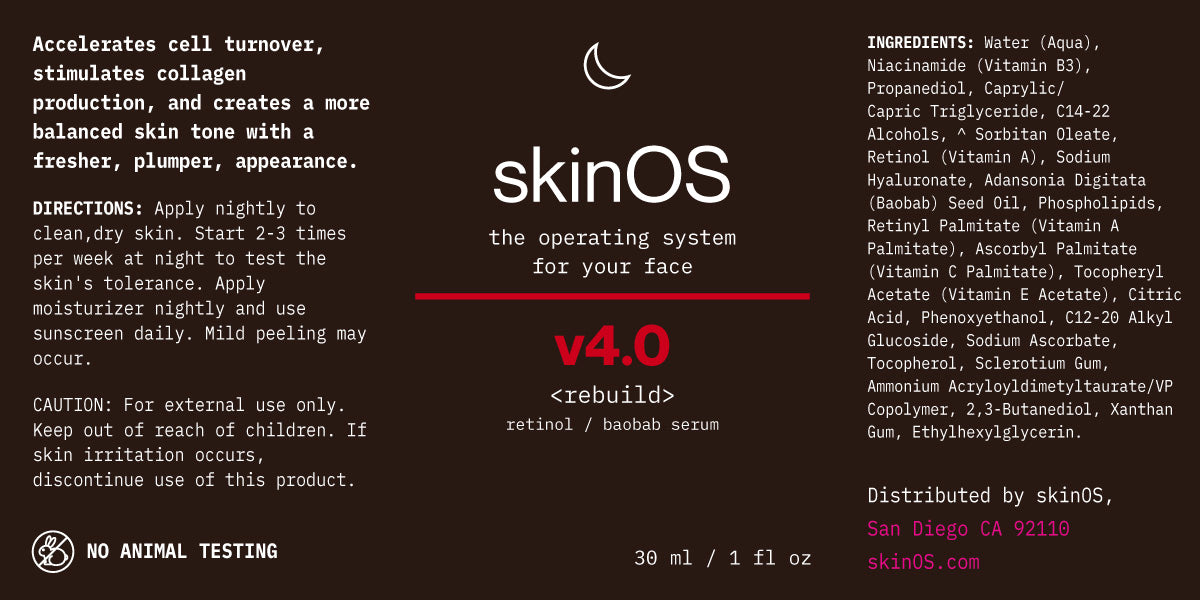
Everything else in skincare depends on the barrier being intact. Retinol can’t do its job if it’s being applied to skin that’s chronically inflamed from barrier damage. Hyaluronic acid can’t hold water in skin that’s leaking moisture through structural gaps. Antioxidants are fighting a two-front war if the barrier isn’t doing its part to keep irritants out.
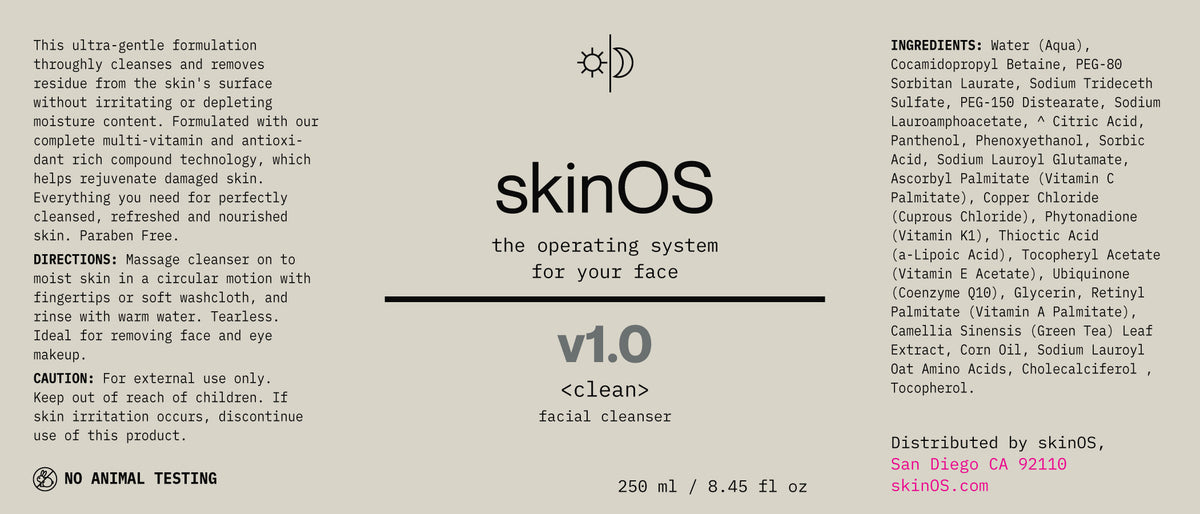
This is why the first step in any effective routine is a cleanser that doesn’t destroy the barrier. Not a cleanser that “feels clean.” Not one that lathers aggressively. Not bar soap. A pH-balanced cleanser, formulated around pH 5–6, that removes oil, debris, and dead cells without stripping the lipid mortar or neutralizing the acid mantle.
That’s it. Step one. It sounds unremarkable compared to the glamorous ingredients we discussed in Chapter 3. But switching from bar soap to a proper cleanser is the single highest-impact intervention for any man who currently has no skincare routine. It costs almost nothing in time (the cleansing step takes 15 seconds), and the downstream effects are significant: better hydration, less oil, reduced sensitivity, and a foundation that allows everything else you apply to actually work.
The barrier is the foundation. Fix it first. Then build on it.
And now that you understand the structure (collagen, barrier, and the aging processes that degrade both), the natural question is: what ingredients actually have the evidence to address all of this? The answer is shorter than you think. And it’s the reason the skincare industry doesn’t want you to figure this out. Because if you knew how few ingredients actually matter, you’d stop buying most of what they sell.
─────────────────────────────
NEXT CHAPTER
Chapter 5: The Five Ingredients That Actually Matter →
LAST CHAPTER:
Chapter 3: Collagen: The Scaffolding Your Face Is Built On →